 EN
EN  ES
ES PT
PT SV
SV DE
DE TR
TR FR
FR AR
AR BG
BG HR
HR CS
CS DA
DA NL
NL FI
FI EL
EL HI
HI IT
IT JA
JA KO
KO PL
PL RU
RU ID
ID LV
LV SR
SR SK
SK UK
UK VI
VI SQ
SQ HU
HU MT
MT TH
TH AF
AF MS
MS HY
HY EU
EU KA
KA UR
UR EO
EO JW
JW LO
LO LA
LA NE
NE TA
TA MY
MY KK
KK SU
SU XH
XH
Cold storage saves food, medicine and even lab samples but one thing often gets ignored was the label. A label that falls off or turns unreadable can destroy order in a freezer like you reach for a box of meat but no mark left, no date, just a guess and same with lab vials, if ink runs or the sticker lifts, the data is lost and this isn’t a small thing, it’s waste, confusion and sometimes safety risk. I’ve seen paper labels crumble after three days in -18°C the glue just froze, edges curled and the worker had to relabel everything by hand. A bad label creates work you don’t see until too late that’s why the label must be built for freezing, not for a desk drawer.
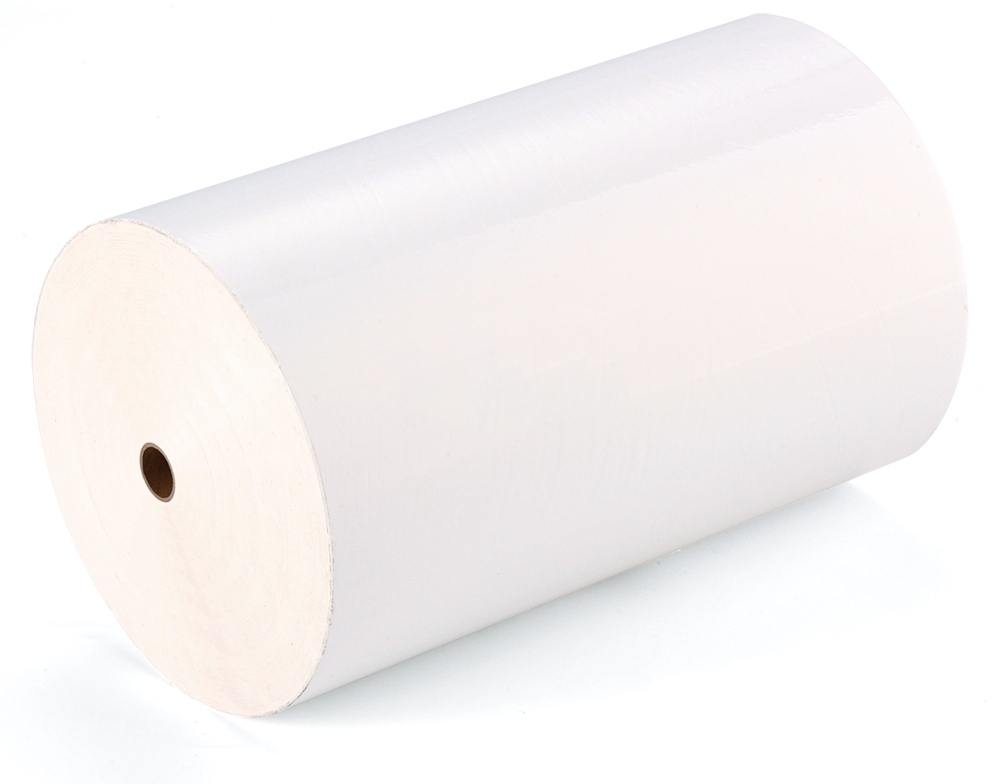
Understanding the Unique Challenges of Freezer Environments
Cold makes plastic stiff, glass slick and even paper brittle and when you add moisture and everything worsens. In freezers, frost forms, melts then orms again that cycle breaks ink even weakens glue. A simple paper label can soak water like a sponge and tear in your fingers, ink from low-cost ribbons bleeds into gray smudge and different surfaces respond different. Plastic bags flex, glass sweats, metal trays frost over, a label that works fine on a plastic pouch may slip clean off gla and in kitchens, labs, warehouses hands are rough. I’ve watched restaurant staff reapply tape every week because the adhesive couldn’t survive humidity and that’s not only messy, it’s dangerous when allergens or batch codes vanish.
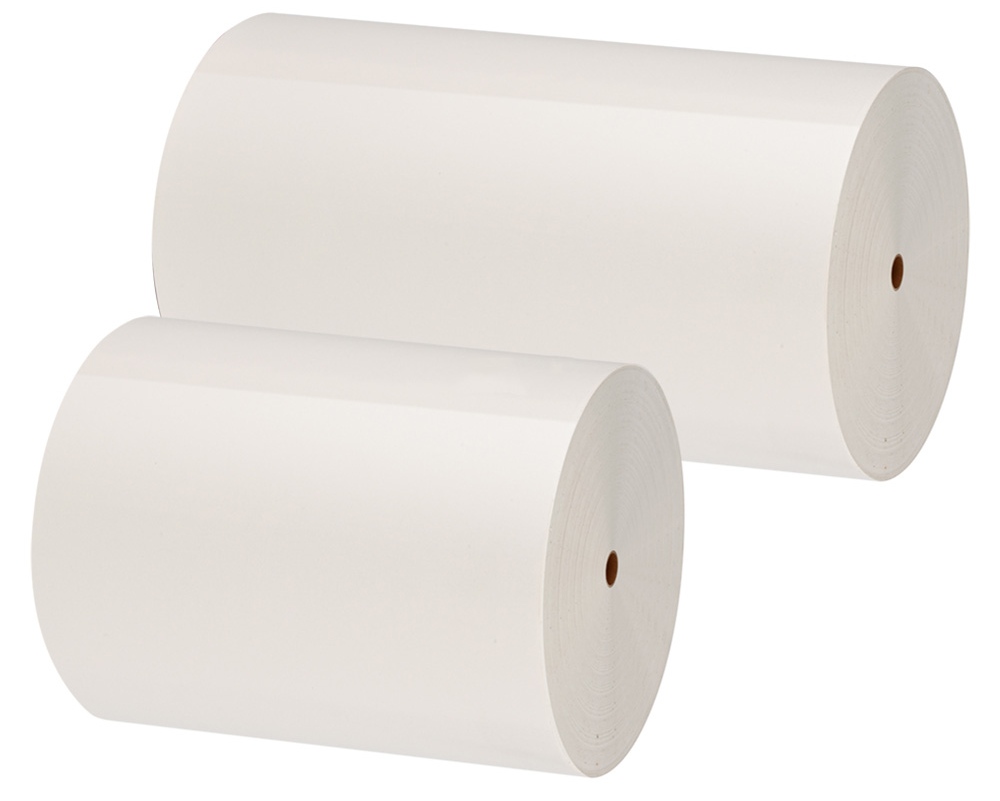
Choosing the Right Facestock and Adhesive Chemistry for Label Sticker Paper
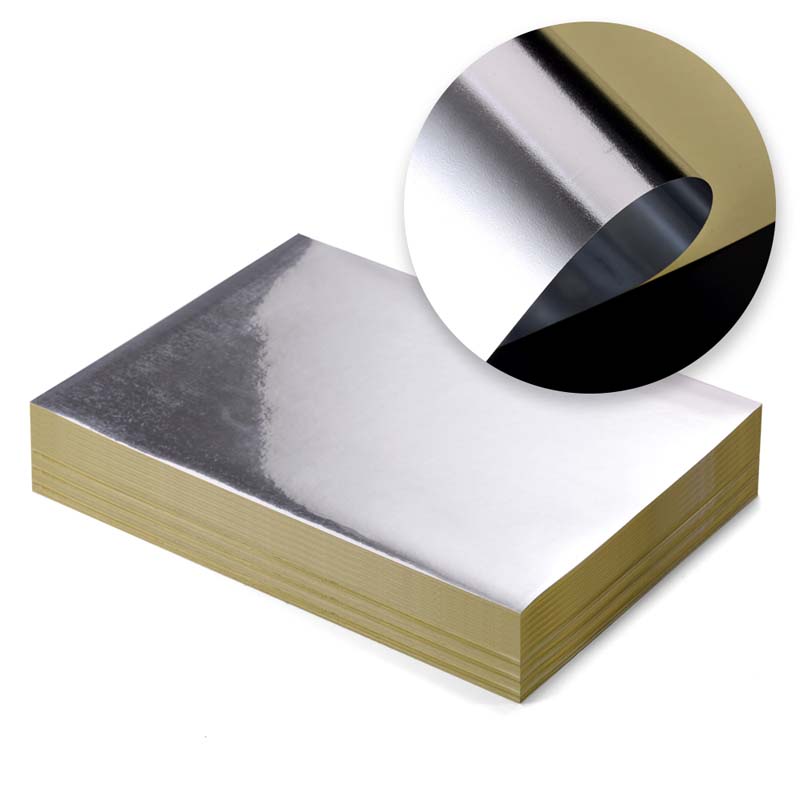
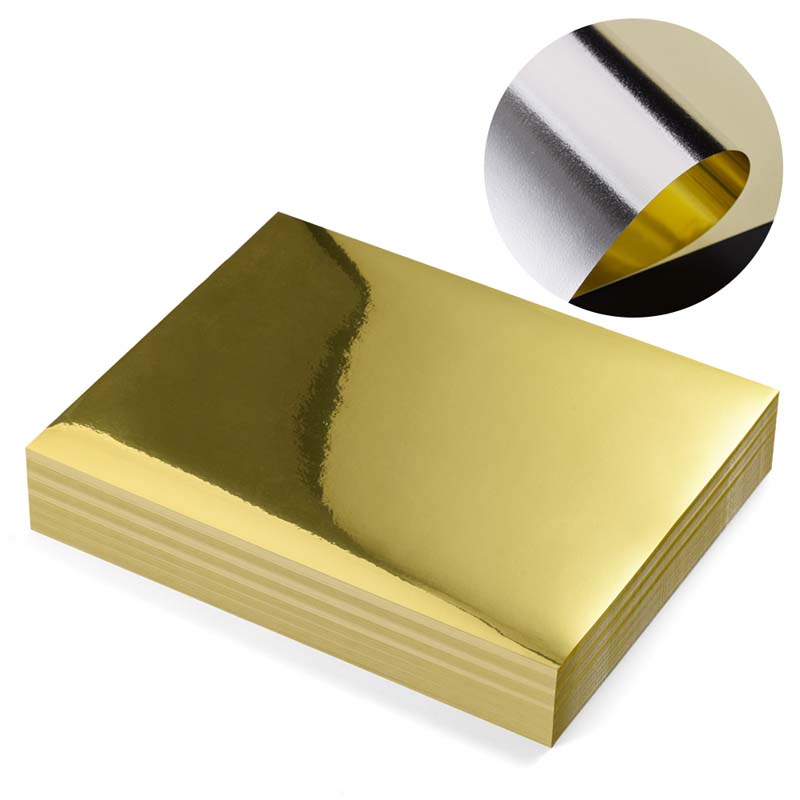
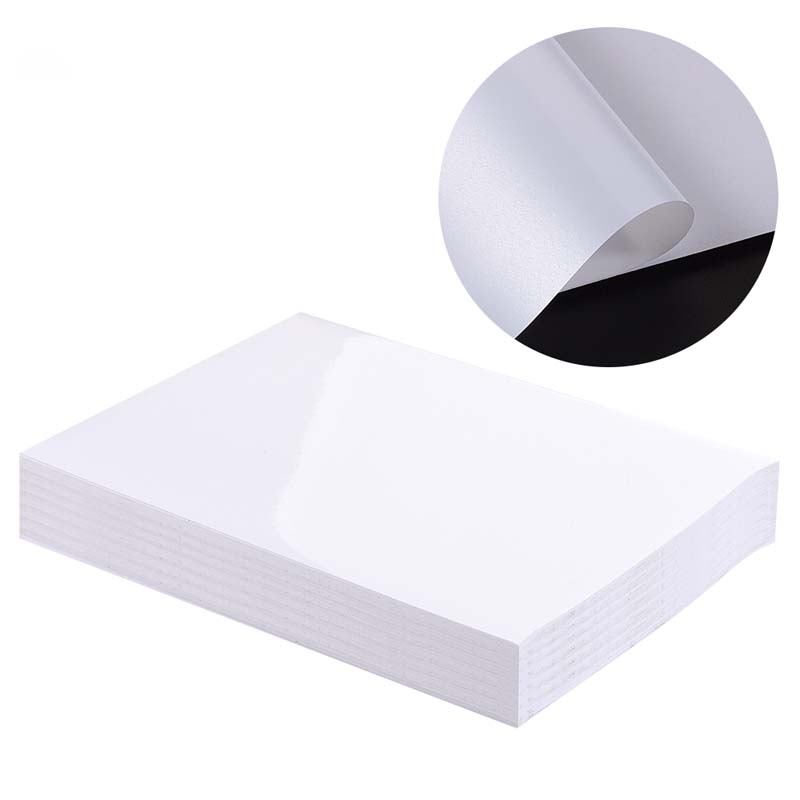
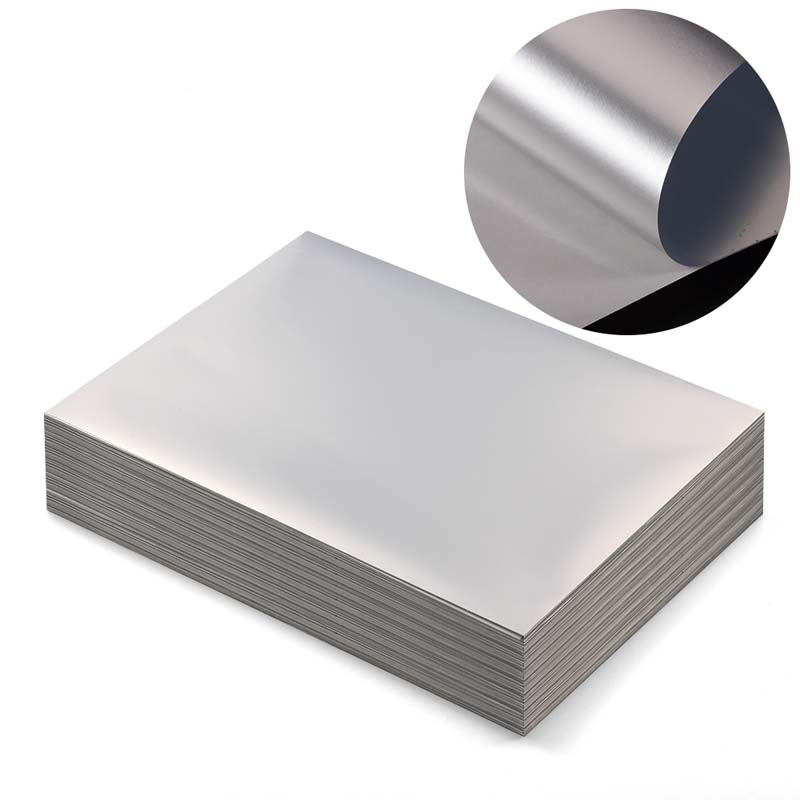
The heart of a freezer label is two parts which is the top sheet and the glue under it. Paper? Forget it because paper absorbs water, tears and turns soft. While synthetics—polypropylene, polyester—survive. They don’t drink water, they don’t rip easy and their surface holds print sharp even after weeks frozen that’s why most serious cold-labels use plastic films but film alone is nothing without the right glue. Many glues stop working once cold hardens them and the best ones are freezer-rated acrylics because they stay tacky in -20°C, bite into smooth glass, rough plastic even thin metal. However the match matters too because rough polyethylene bag needs stronger bite than a clean jar. I once helped a bakery change from cheap paper stock to polypropylene film with acrylic glue, before labels peeled in three days but after, they stayed stuck a whole month with no failures and that change saved them about two hours of relabeling per week that only means real efficiency comes from details like this, not just machines.
Simulate customer application scenarios for testing
Never believe specs alone, put the labels into the same abuse your customer gives them and stick them on wet glass jars, on dry plastic bags and on cold steel pans. Push them into freezers set at -18°C or lower then leave them not only overnight but weeks. Pull them out, stack them and wipe with wet gloves then see if ink smears or the corner lifts, that’s the truth test. I remember working with a small catering team, they thought their labels were fine until they checked after a week and half of them were gone. After they switched supplier and tested again, the labels held after thirty days even after containers rinsed under cold tap water, that’s when you know a label is right and not from the brochure but from what your hands feel after pulling it from ice.

I am the general manager of RIGHTINT Self Adhesive New Material CO., Limited, a comprehensive enterprise that integrates R&D, production, sales and service of self-adhesive paper materials. With over 20 years of experience in this industry, I have led our group to serve many world-renowned customers and provide customized solutions for large-scale projects.