 EN
EN  ES
ES PT
PT SV
SV DE
DE TR
TR FR
FR AR
AR BG
BG HR
HR CS
CS DA
DA NL
NL FI
FI EL
EL HI
HI IT
IT JA
JA KO
KO PL
PL RU
RU ID
ID LV
LV SR
SR SK
SK UK
UK VI
VI SQ
SQ HU
HU MT
MT TH
TH AF
AF MS
MS HY
HY EU
EU KA
KA UR
UR EO
EO JW
JW LO
LO LA
LA NE
NE TA
TA MY
MY KK
KK SU
SU XH
XH
Choosing the right consumables for labeling might look simple but it makes a big difference in how well labels work whether if it’s for shipping, inventory or retail, the materials you choose affect how long labels last, how easy they stick and how good they look. From paper to adhesives to printer ribbons, each part matters that’s why picking the right ones means fewer errors, less waste and better results and in this post, we’ll cover what to check so you can choose the best consumables and keep your labels performing well.

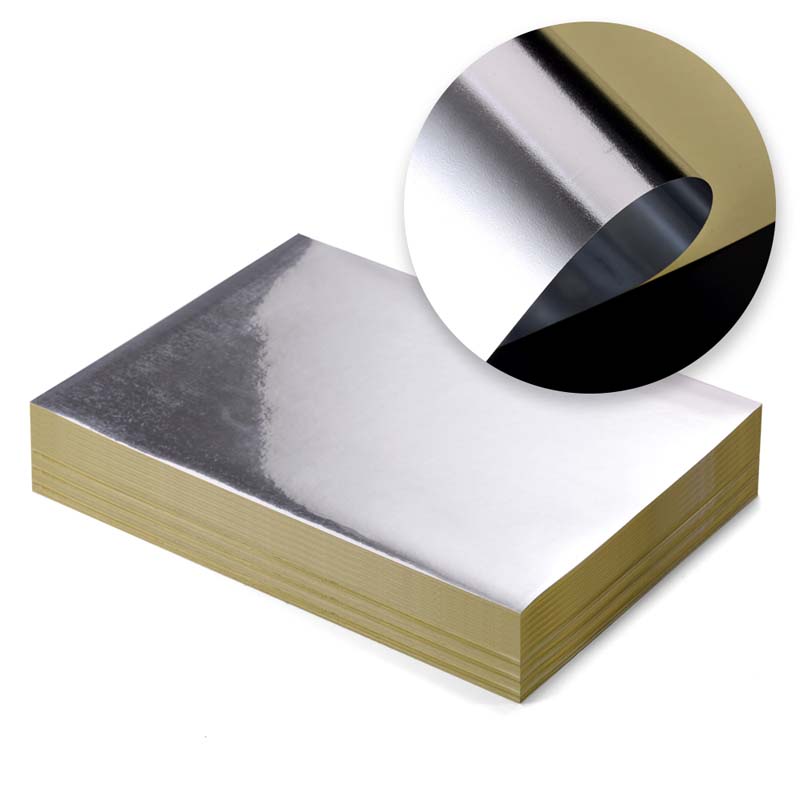
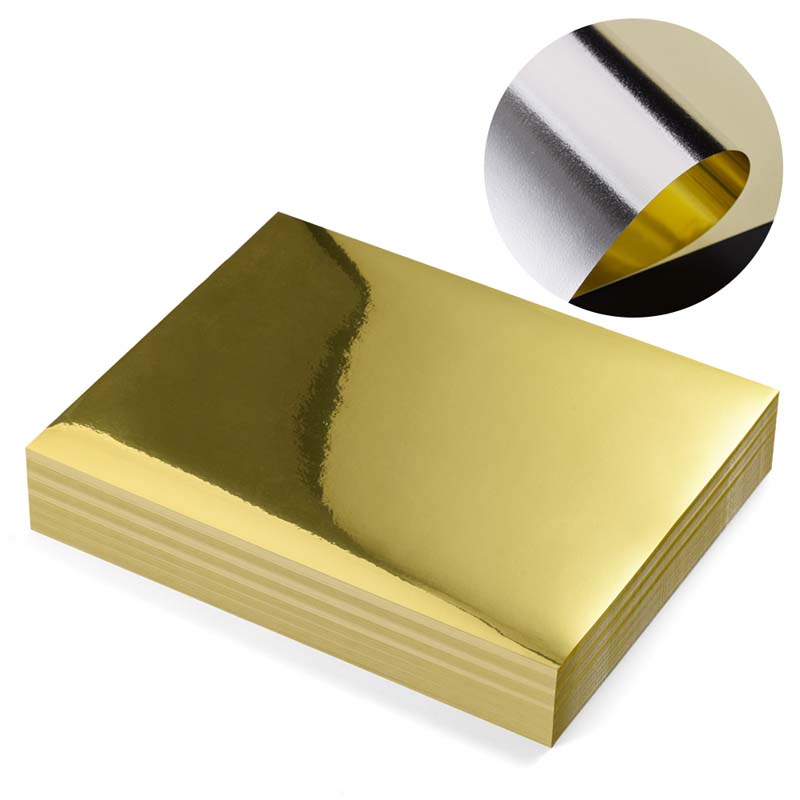
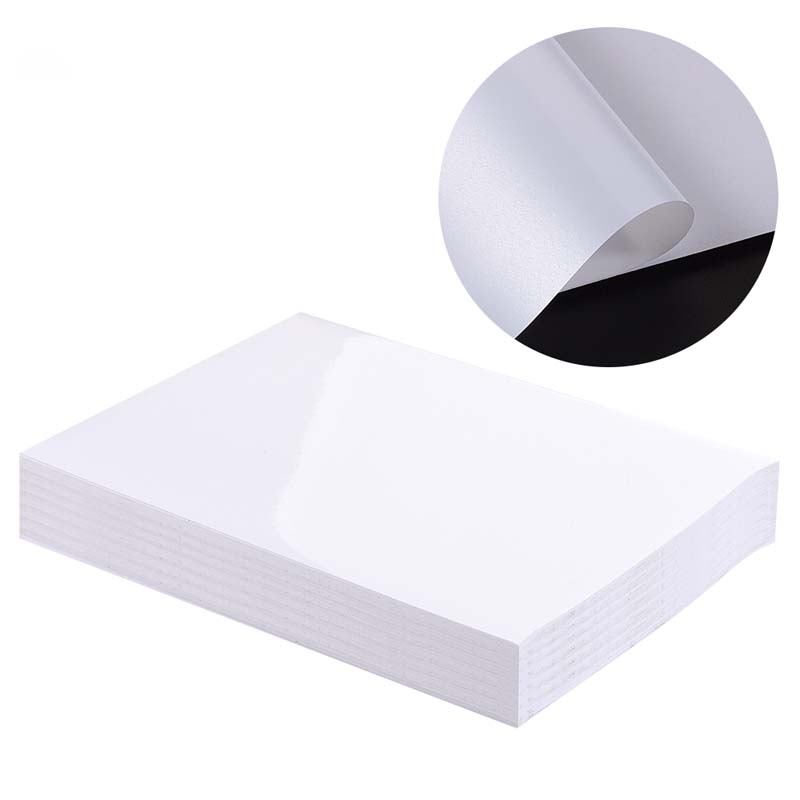
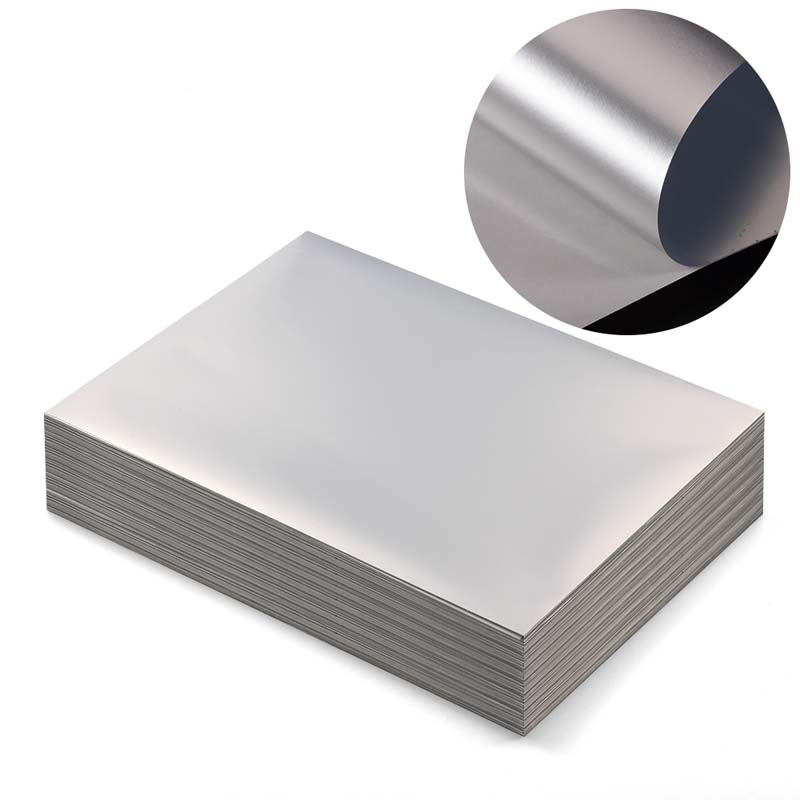
Film facestocks — and printer-matched surface coatings that make print quality pop
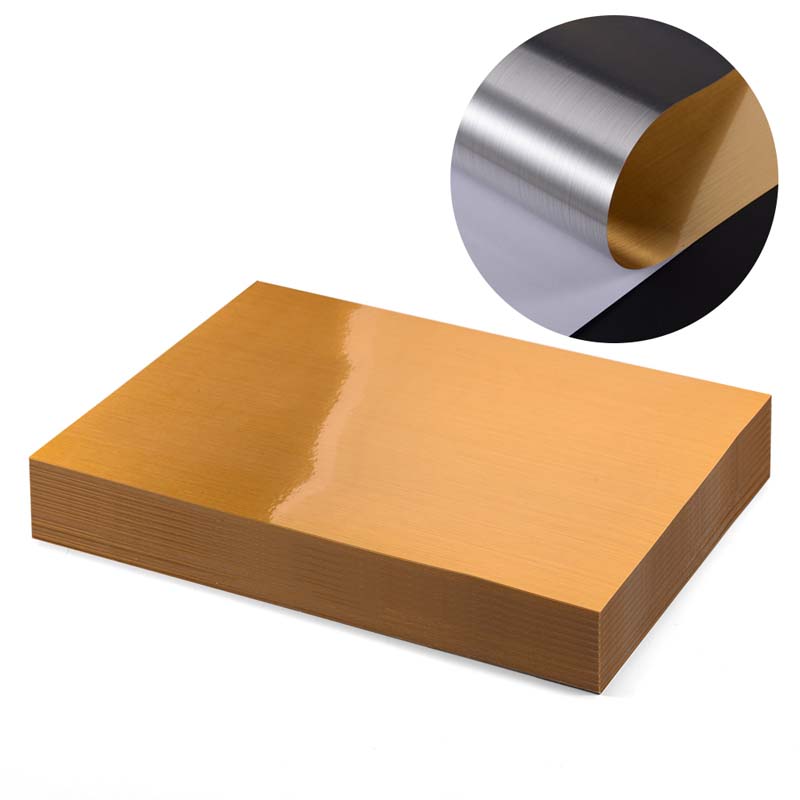
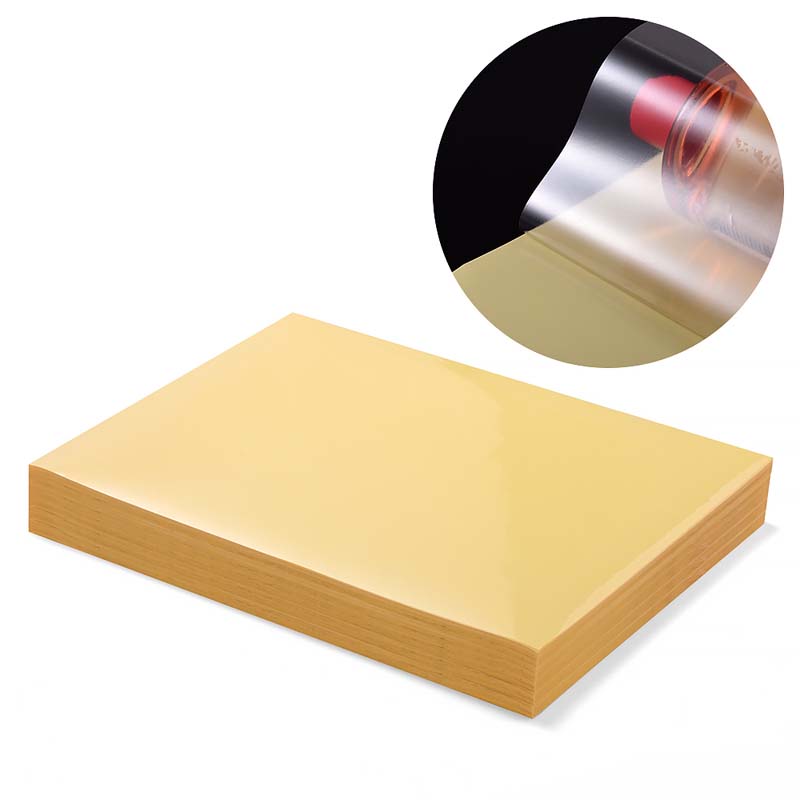
Film facestocks are a good choice when you need labels that last longer and handle tough conditions better than paper it is made from thin plastic like polypropylene or polyester, they’re strong, flexible and resist water unlike paper, they don’t soak up moisture so they don’t tear, wrinkle or fade easily and making them great for products exposed to heat, cold or damp areas. But choosing film alone isn’t enough, you also need the right coating for your printer type whether it’s thermal transfer, inkjet or laser. The coating helps ink or toner stick properly so prints don’t smudge or bleed and with the right match, text and images stay sharp and clear like for example the barcodes print crisp and scan easily, saving time and avoiding mistakes in busy warehouses. I saw a small food company switch from plain paper labels to polypropylene film with coatings matched to their printer. Almost overnight, their labels stopped smudging, stayed sharp after refrigeration and shipping and barcode scanning errors dropped and that one material change not only improved shelf appeal but also made their whole packaging process run smoother. So when choosing film facestocks, make sure the coating matches your printer type and the ink you use and this way, your labels won’t just last longer but they’ll also look sharp and clear.
Application-specific, high-performance adhesives — choose glue for the job
Picking the right adhesive is just as important as picking the right facestock because even the best label won’t last if the glue fails and different jobs need different adhesives and the environment matters a lot. For cold or damp places like fridges and freezers, you need glue that stays sticky since regular adhesive can peel off while rough or textured surfaces like cardboard or plastic may need stronger glue that grips uneven areas. Some adhesives are made to handle heat, moisture or even oily surfaces. One cosmetics company had labels sliding off oily bottles during shipping but after switching to an adhesive made for that surface, their labels stayed put and looked professional. That’s why when choosing, always think about the surface, where the label will go and the conditions it will face and testing samples before large runs helps avoid problems. The right adhesive doesn’t just stick the label, it also protects your brand by keeping your message in place.

Choosing the right release liner — why the liner matters for application and processing
The release liner might seem unimportant right? But you know that it’s key to how smoothly labeling goes and it’s the backing that protects the adhesive until the label is applied and if it’s not right, labels can stick too tightly, tear when peeled or jam the printer. Also liners come with different textures and coatings that affect how easily labels release like for example, a smooth silicone-coated liner lets labels peel off cleanly which is great for fast machines while thicker liners work better for hand-applied labels since they don’t rip or curl as easily. Picking the right liner for your process saves time and cuts waste. One packaging company solved constant jams by switching from a cheap liner to one made for high-speed applicators which sped up their whole line. Liners also affect printers like if they’re too stiff or too thin, feeding problems can happen and testing them with your equipment helps avoid surprises. In the end, the liner isn’t just throwaway but protects the labels and keeps production running smoothly.

I am the general manager of RIGHTINT Self Adhesive New Material CO., Limited, a comprehensive enterprise that integrates R&D, production, sales and service of self-adhesive paper materials. With over 20 years of experience in this industry, I have led our group to serve many world-renowned customers and provide customized solutions for large-scale projects.