 EN
EN  ES
ES PT
PT SV
SV DE
DE TR
TR FR
FR AR
AR BG
BG HR
HR CS
CS DA
DA NL
NL FI
FI EL
EL HI
HI IT
IT JA
JA KO
KO PL
PL RU
RU ID
ID LV
LV SR
SR SK
SK UK
UK VI
VI SQ
SQ HU
HU MT
MT TH
TH AF
AF MS
MS HY
HY EU
EU KA
KA UR
UR EO
EO JW
JW LO
LO LA
LA NE
NE TA
TA MY
MY KK
KK SU
SU XH
XH
Frozen labels often peel or fade causing confusion, wasted time or even safety risks. Cold, moisture and ice wear down normal labels fast but with the right steps you can keep them stuck and readable and whether for business, home freezers or shipping, using proper methods ensures your labels last and stay clear.
Choose coatings and surface materials that print well and are waterproof

The first step to stop frozen labels from fading or peeling is choosing the right coating and surface material because freezing temps and moisture from frost or condensation can ruin print or make labels fall off, so it’s best to use materials made to handle the cold.
Just start with waterproof labels, films like polypropylene or polyester stay tough even when wet unlike paper that soaks up moisture and falls apart in the freezer and add a laminate or varnish coating to shield the print from water, smudges and scratches, so text stays clear. Printing also matters because thermal transfer makes long-lasting prints, while direct thermal fades faster in cold and damp.
A local bakery I know switched from paper labels to polypropylene with a matte laminate, printed by thermal transfer but before, their freezer labels would peel off and the ink would blur in just a few days but now, the labels stay clear and stick for weeks making it easy for them to track batches without the usual hassle.
So if you want frozen labels that last, pick materials and coatings built for cold and moisture because the right choice keeps them clear, stuck and saves you headaches later.

Choose a soft and thin surface material for sticker paper
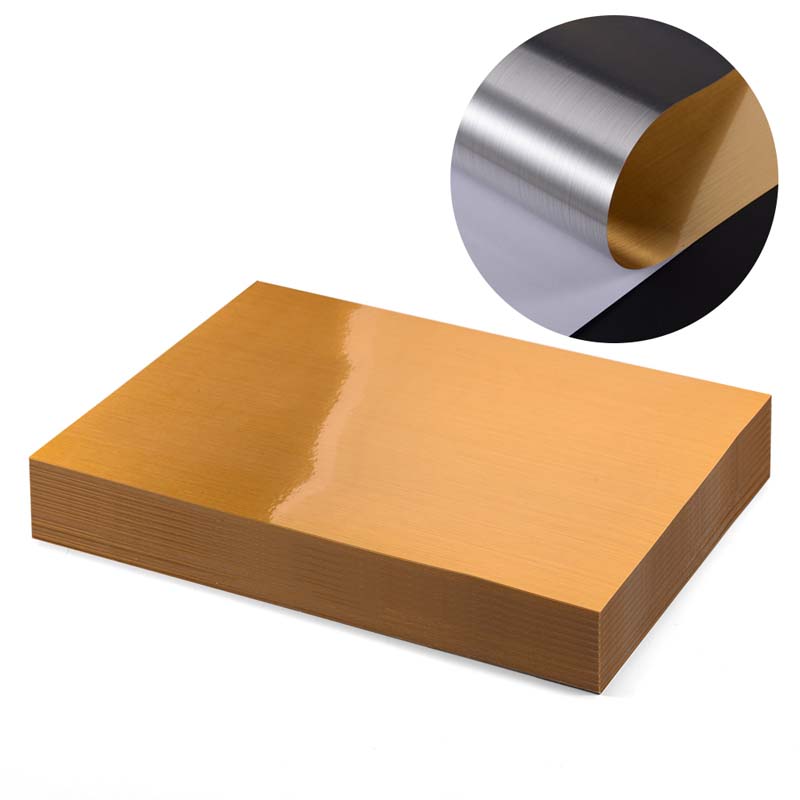
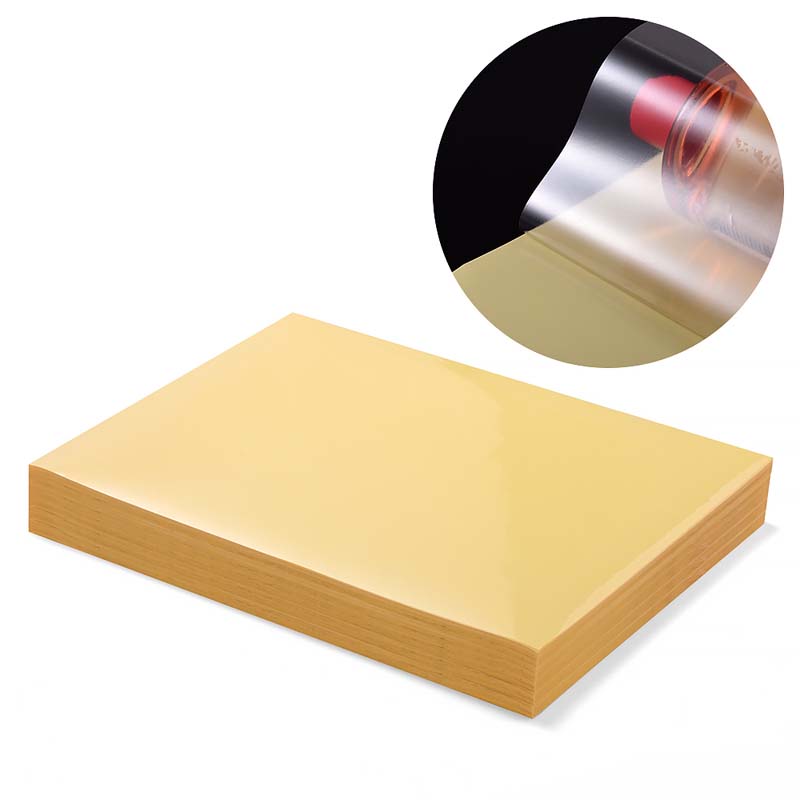
Forfrozen labels, softer and thinner sticker materials stick better because thick ones tend to lift at the edges but thin films like polypropylene or matte polyester flex with the container and hold tight well they’re tough, resist tearing in the cold and give the adhesive a smoother grip so labels don’t peel off when frost builds up.
A seafood supplier I worked with before switched to thin matte polypropylene labels for frozen fish. Their old, thicker labels peeled during storage and transport and after the change, the new labels held up through freezing, thawing and refreezing, keeping inventory organized and preventing costly mix-ups.
That's why always remember that softer, thinner label materials make application easier on curved or uneven freezer surfaces and help the sticker stay smooth without cracks or bubbles. So go for paper that bends with your packaging but is still strong enough to handle cold and moisture, it’s a small choice that saves big headaches later.
High-viscosity and excellent performance frozen glue
The right glue is just as important as the label itself so for frozen labels, you need high-viscosity adhesive that stays sticky on cold damp surfaces because regular glue can dry out or crack in the freezer but cold-resistant formulas stay flexible, grip through frost and resist moisture so your labels don’t peel off.
A frozen food distributor I know had big problems with labels peeling off after just a few days in storage. It caused mix-ups and slowed down shipping so they switched to a high-viscosity, cold-resistant glue and the difference was huge because the labels now stay on for weeks, even on frosty packages. It saved them time, cut down on waste and made inventory much easier.
So for frozen labels always apply on clean, dry surfaces since even the best glue won’t stick to dirt or oil. Choose adhesives made for freezing conditions as high-viscosity frozen glue stays flexible, grips well and keeps labels clear and secure in cold, wet environments.


I am the general manager of RIGHTINT Self Adhesive New Material CO., Limited, a comprehensive enterprise that integrates R&D, production, sales and service of self-adhesive paper materials. With over 20 years of experience in this industry, I have led our group to serve many world-renowned customers and provide customized solutions for large-scale projects.