 EN
EN  ES
ES PT
PT SV
SV DE
DE TR
TR FR
FR AR
AR BG
BG HR
HR CS
CS DA
DA NL
NL FI
FI EL
EL HI
HI IT
IT JA
JA KO
KO PL
PL RU
RU ID
ID LV
LV SR
SR SK
SK UK
UK VI
VI SQ
SQ HU
HU MT
MT TH
TH AF
AF MS
MS HY
HY EU
EU KA
KA UR
UR EO
EO JW
JW LO
LO LA
LA NE
NE TA
TA MY
MY KK
KK SU
SU XH
XH
Every customer in manufacturing and labeling has different needs and challenges. It’s not about placing an order. It’s about fixing real issues can affect production, quality, and business success. One of our favorite stories comes from Mark, a purchasing manager in Australia. He reached out us as he was facing issues in labeling. As we do open communication, this problem turned into a strong partnership and team work.
Mark’s First Message
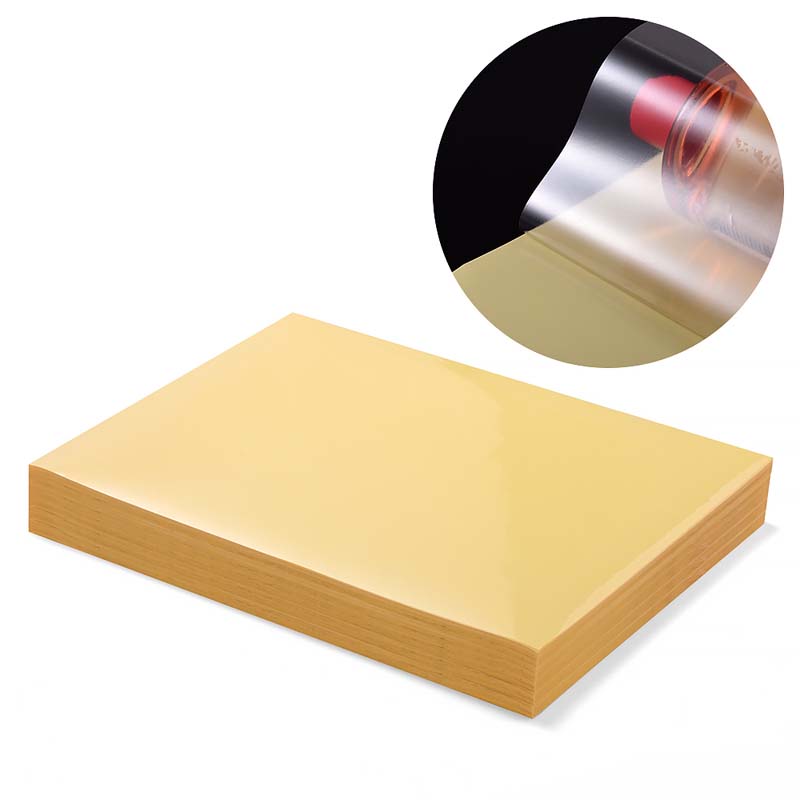
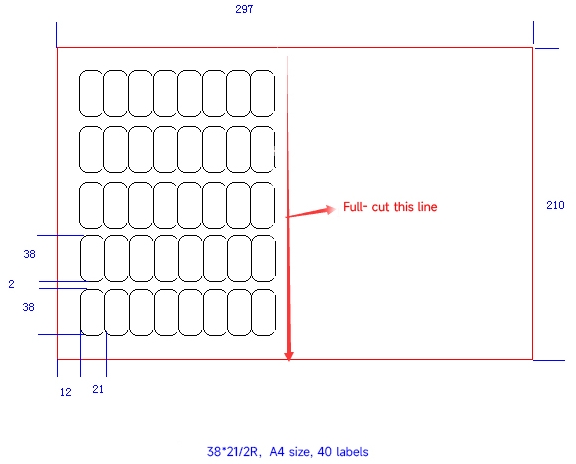
Back in November 2018, we received an email from Mark. He was looking for the right labels to use on a new line of bottled products at his growing packaging company. We can see from his message that he'd been dealing with labels for quite some time. He says on the message, “Hi, I’m looking for semi-cut (half-cut) adhesive paper labels with clean edges and consistent cuts. We’ve had issues before with glue overflow and lifting corners. Can you help?”. Mark isn't looking for a better price. He was looking for a supplier who could understand his challenges and help solve them.
These are some of the issues that Markis is asking for help with
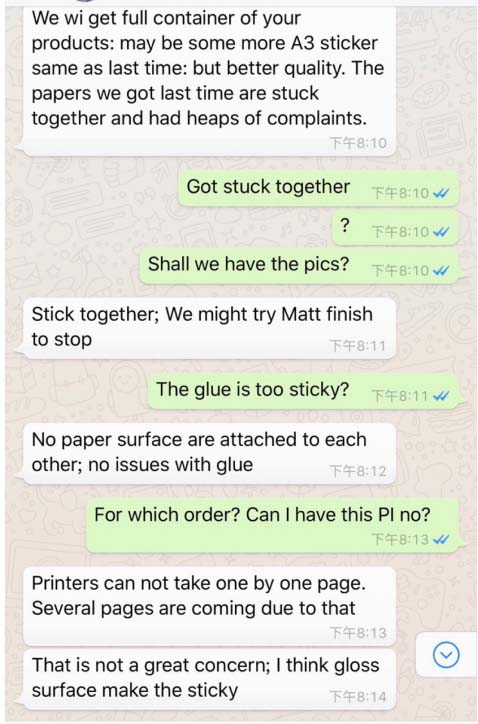
As we go along with the conversation with Mark, we can see what issues he'd faced with his previous suppliers. The labels they sent often curled at the edges after being applied. Some of the supplies were being glued, which caused leaks around the edges. This issue makes their bottle sticky, and it causes their machines to slow down their job. They received an inconsistent product, wherein some labels were cut too deeply. While others weren't cut deep enough, that makes it hard to peel off. Based on what Mark communicated to us, we can see that there is a communication gap. Their previous supplier didn't know what “half-cut” meant. It's just like Mark explaining everything several times without solving his problem. Seems like a small issue for us, but when you see it from the bigger picture, they caused a lot, in Mark's production line. Wasting his time, materials, and most especially his money.
Communicating efficiently
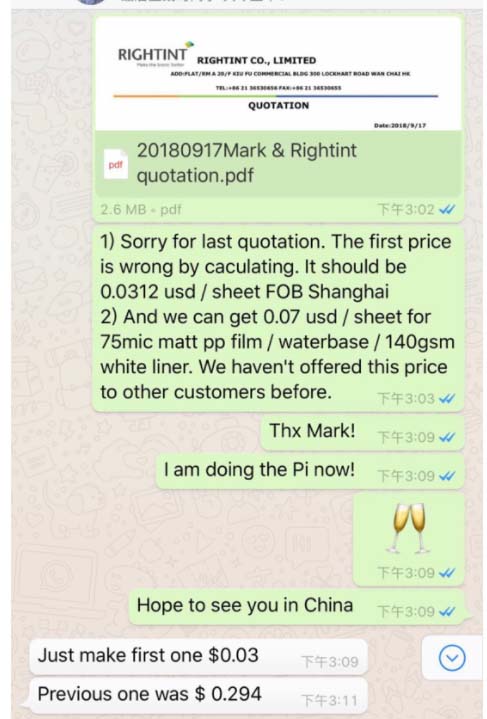
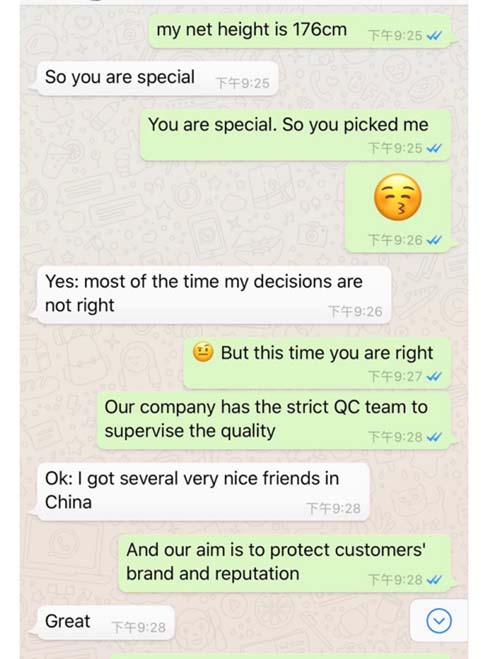
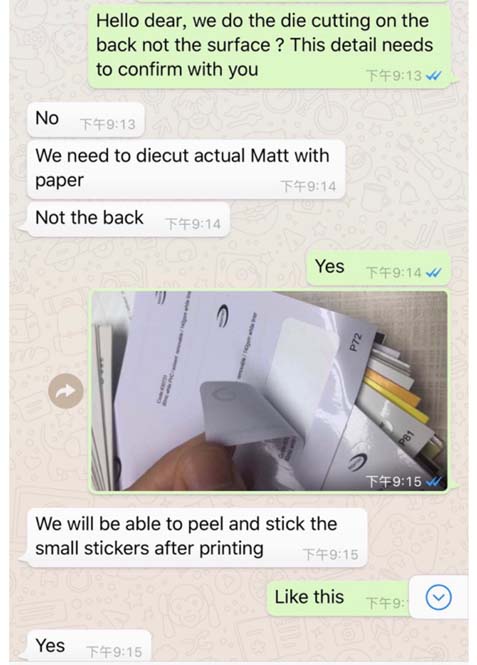
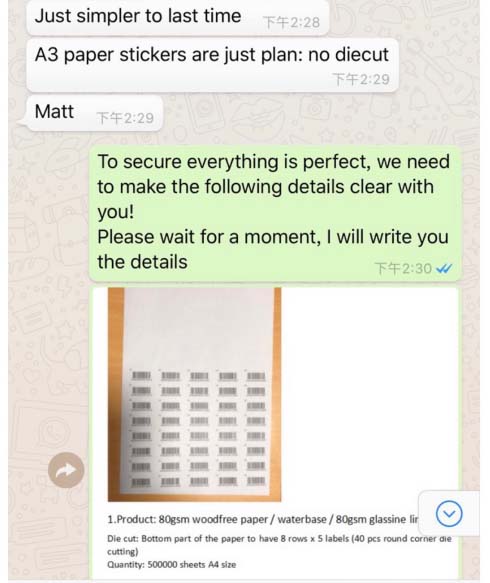
Instead of jumping to a conclusion or sending him a sample product, what we did was set up a video call with Mark. Our goal is to understand first what exactly the issue is before offering a better solution. We asked questions like "What kind of surface was this label being applied to? and "Is your labeling process manual or automated?". So, to better understand it, Mark sent us photos and videos of the previous label products that failed. With the help of the picture and video that Mark shared with us, we came across where the problems occur. That conversation helped us build trust and gave us the clarity we needed to create a better plan.

What we offered to solve the Problem
As we have all the details, our team works together to make a better solution. We chose the right tool to cut the depth, so the blade only cut through the label, and not the liner. This process and method bring Mark clean, consistent cuts he'd been asking for. In with the previous problem, like the glue issue, we choose a low-flow adhesive that helps it not to leak. Also, we added an extra drying process for lamination to keep everything in place. As for the curling issue, we tested a few different types of label paper and found one with the right firmness. It stayed flat even after days in hot and damp conditions. The overall result looked professional and performed perfectly on the labeling line.
Here are some real-life examples:
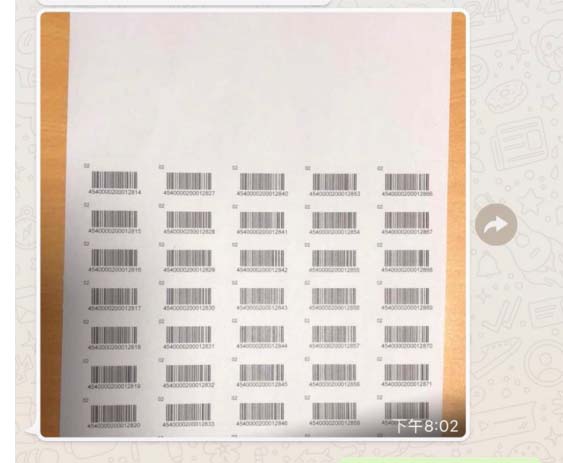
We sent Mark three different sets of sample rolls, each has slight adjustments in cutting. He checked them on his machines and gave feedback to us. His feedback stated that " Set B was the best—clean cut, no edge lifting after 72 hours. Exactly what we needed.” That gives us the sign to move forward with full production. What we made is to change the liner thickness to improve from peeling on his automatic machine, and change the design plan. We also did a QR code for each shipment with a short video tutorial on how to store and handle the labels correctly. Mark appreciates it a lot as he added the video to his internal training guide for new team members.
Delivering the supply while still getting in touch
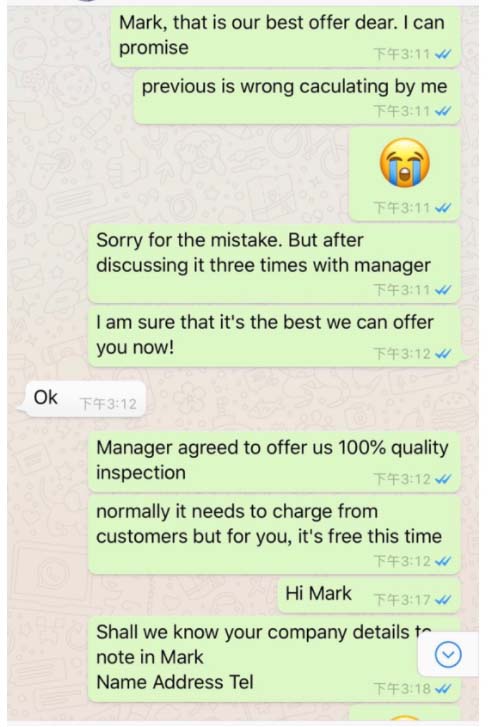
After Mark approved the plan that we proposed to him, we rushed the shipment to meet his deadline. As a result, the labels arrived on time and worked accordingly without any issues or delays. But our job as the supplier didn't end after delivering the products. We're still in touch with the customers to see how the labels were holding up over time. We offer a free tool replacement if die-cutting issues will ever occur again. Since then, Mark has placed more orders and expanded his product range using the same label. And with that, we added him to our top priority client channel, so he could reach out to our team whenever he needed help. That initial problem that he encountered turned into a strong business partnership. This is the story that we will always look back on as we built on trust, a good performance, and effective communication.
Lessons that we can learn from Mark's story
This story from Mark shows that label cuts and glue control need to be handled accordingly. Also, with the right questions, correct planning, and open communication works well. One thing we can make sure as a supplier, we will make a plan accordingly and look for the bigger picture to fix the issues.

I am the general manager of RIGHTINT Self Adhesive New Material CO., Limited, a comprehensive enterprise that integrates R&D, production, sales and service of self-adhesive paper materials. With over 20 years of experience in this industry, I have led our group to serve many world-renowned customers and provide customized solutions for large-scale projects.